
Exposed Aggregate vs Tile vs Terrazzo vs Resin Bound vs Cultured Stone | Full Comparison
Exposed Aggregate vs Tile vs Terrazzo vs Resin Bound vs Cultured Stone | Full Comparison
Introduction
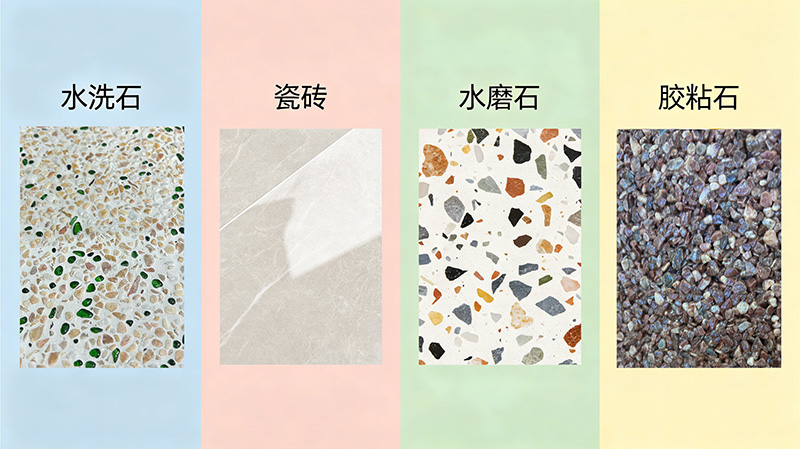
Outdoor and indoor landscape paving projects require careful material selection to balance durability, aesthetics, cost, and practicality. Exposed aggregate (washed stone), tile, terrazzo, resin bound gravel, and cultured stone are the five most popular paving and wall decoration materials for villas, gardens, commercial buildings, and municipal landscape projects. Each material features distinct performance differences in weather resistance, anti-slip ability, service life, and maintenance difficulty. This detailed comparison analyzes the pros, cons, service life, and applicable scenarios of the five paving materials, helping global contractors, engineers, and property owners select the most suitable material for landscape and construction projects.
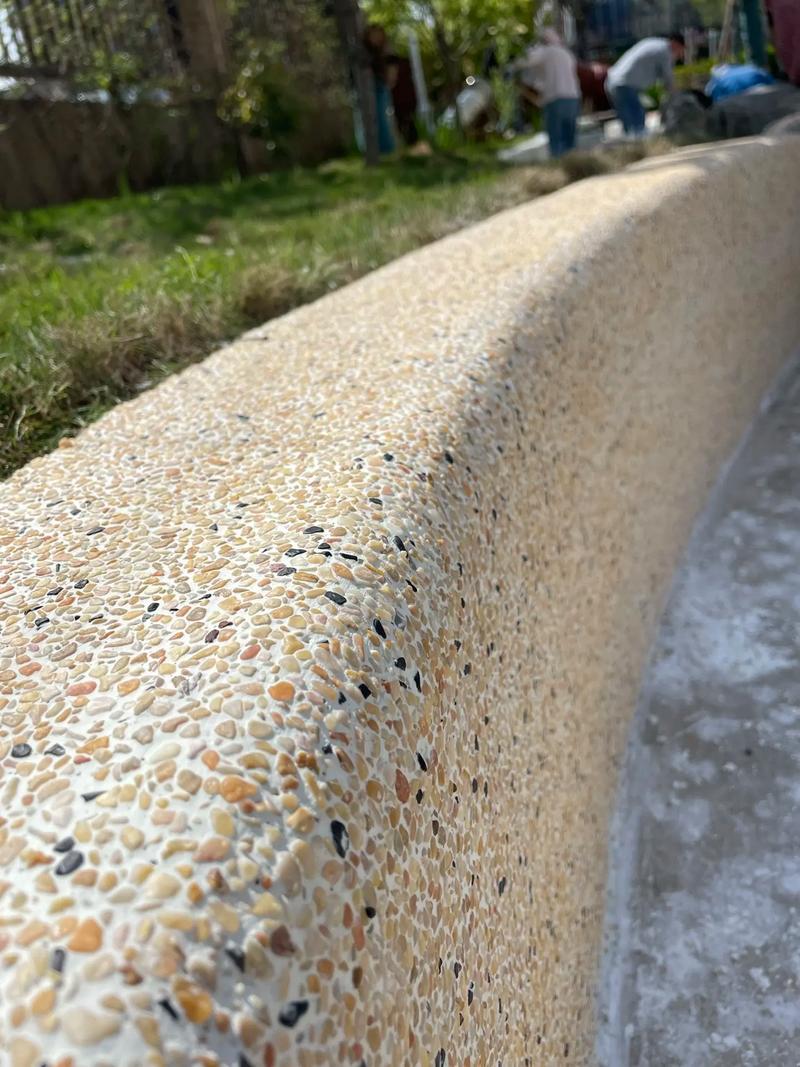
1. Exposed Aggregate (Washed Stone) — Natural Landscape Paving Material
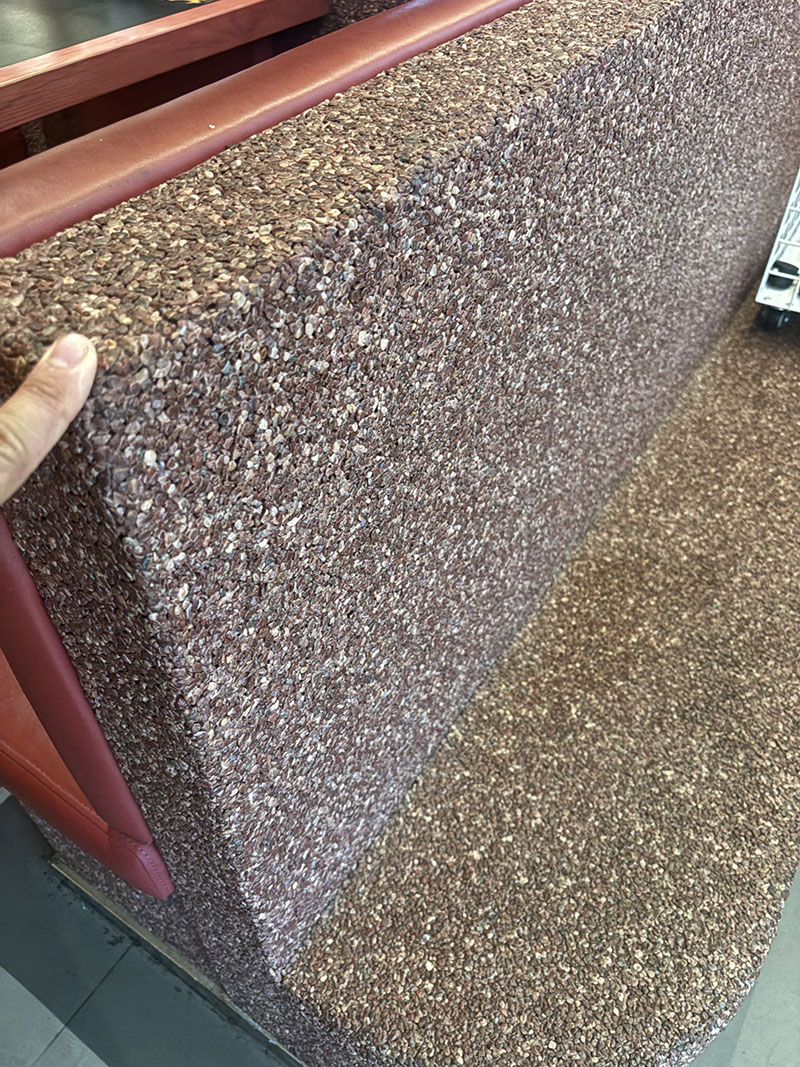
Exposed aggregate concrete, also known as washed stone pavement, is a mainstream natural landscape paving material. It is produced by mixing high-quality natural pebbles or colored crushed stone with cement mortar. After the concrete is initially set, the surface cement paste is washed away to fully expose the original texture and color of stone aggregates.
Pros
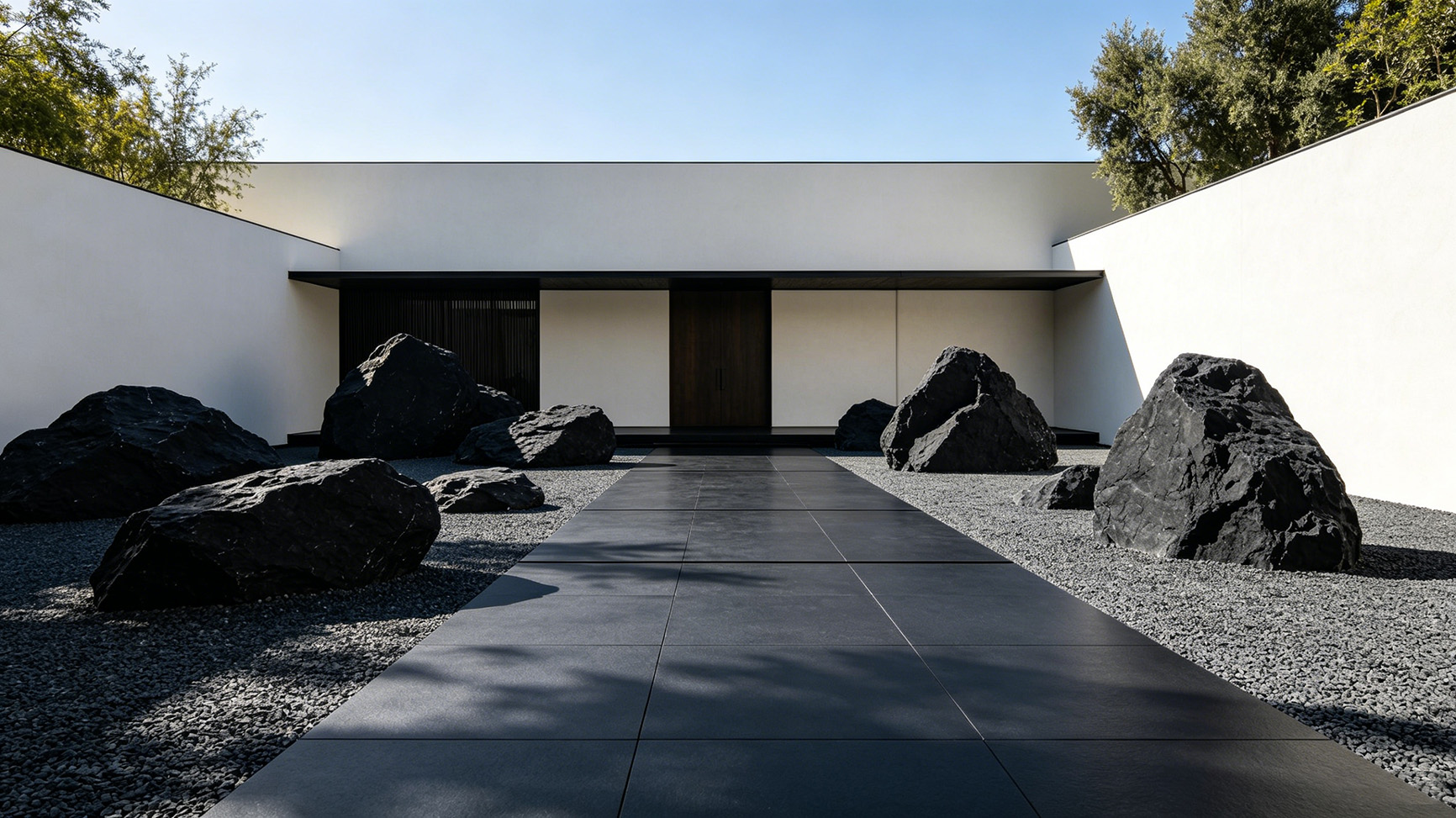
Presents natural, high-grade stone texture, ideal for modern minimalist and wabi-sabi style villa gardens and courtyards
Integrated seamless molding structure, no obvious splicing gaps, effectively avoids dirt accumulation and mold growth
Super strong wall adhesion, not easy to peel or fall off, safe and reliable for exterior wall decoration
High construction flexibility, adaptable for flat ground, curved surfaces, special-shaped structures, and integrated wall-ground decoration
Sufficient raw material supply, stable overall cost, and high cost performance for large-scale landscape projects
Cons
The final effect relies heavily on professional construction experience, improper washing time will cause stone falling or uneven color
Prone to efflorescence and surface whitening without professional anti-alkali treatment
Slightly rough surface texture, more labor-intensive for daily cleaning than smooth ceramic tiles
Service Life: 15–25 years
Best for: Villa courtyard paths, building exterior walls, landscape dry creek beds, swimming pool surrounds, municipal garden landscape paving
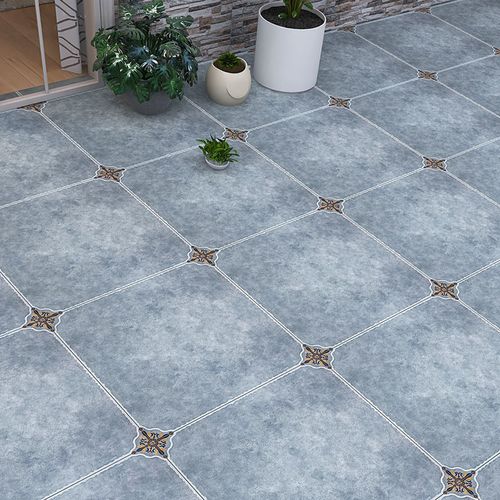
2. Tile — Classic Indoor & Conventional Outdoor Flooring Material
Ceramic tiles and floor tiles are traditional decorative paving materials made of high-temperature fired ceramic blanks with glazed surface treatment. They are widely used in residential interior decoration and ordinary commercial space paving due to their stable performance and diverse styles.
Pros
Smooth and compact surface, excellent waterproof and stain-resistant performance, extremely easy for daily cleaning and maintenance
Diverse colors, patterns and specifications, compatible with various interior decoration styles
Standardized construction process, fast installation speed, and low later maintenance cost
Cons
Fixed splicing gaps are easy to accumulate dust, water stains and mold, affecting long-term appearance and hygiene
Most glazed tiles are slippery when wet, with potential safety hazards for outdoor courtyard and pedestrian passages
Exterior wall tiles have high hollowing and falling risks after long-term wind and sun exposure, with poor outdoor safety
Single molding form, poor flexibility, unable to adapt to curved and special-shaped landscape design
Service Life: 10–20 years
Best for: Indoor living rooms, kitchens, bathrooms, indoor shopping malls, and office commercial floors
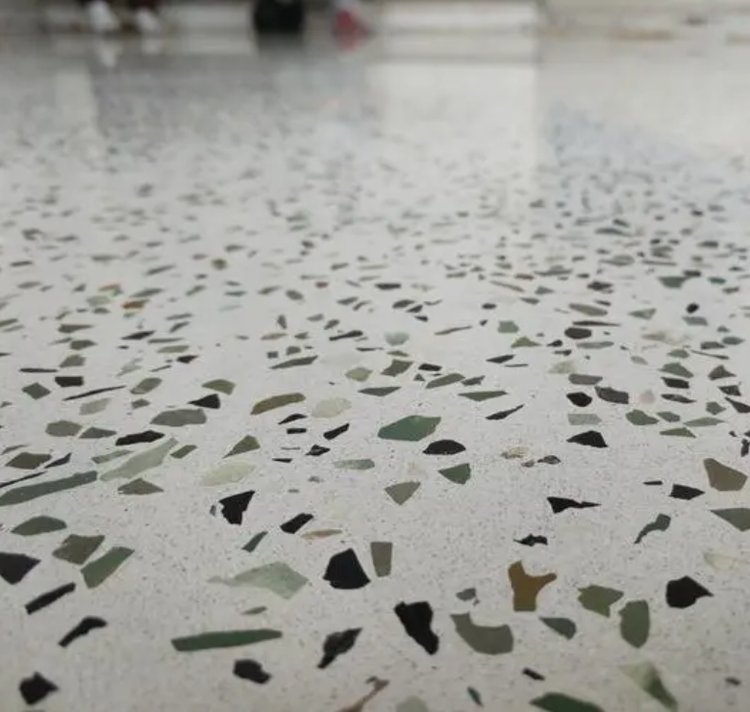
3. Terrazzo — High Hardness Heavy-Duty Commercial Flooring
Terrazzo is a high-strength integral floor material, divided into cement-based terrazzo and epoxy terrazzo. It is made by mixing cement or epoxy resin with stone aggregates, then polished and cured to form a dense, smooth, wear-resistant surface.
Pros
Ultra-high hardness and compression resistance, excellent wear resistance, suitable for long-term heavy traffic scenarios
Completely seamless integral structure, no dirt hidden gaps, clean and hygienic
Super long service life, stable performance and not easy to damage
Supports customized colors, patterns and logos, with strong commercial decoration
Cons
Complicated construction procedures, long curing and polishing cycle, and high labor cost
Heavy overall weight, not suitable for light building renovation and roof paving
A large amount of dust is generated during polishing construction, causing environmental pollution
The polished smooth surface has poor anti-slip performance, not suitable for outdoor rainy environments
Service Life: 25–40 years
Best for: Shopping mall floors, underground garages, factory workshops, school corridors, public commercial spaces
4. Resin Bound Gravel — Permeable Anti-Slip Landscape Pavement
Resin bound gravel is a new type of eco-friendly permeable paving material. It uses high-transparency polyurethane resin to bond single-specification clean pebbles tightly, forming a porous, fully permeable landscape pavement layer, which is a core material for sponge city construction.
Pros
100% porous water-permeable structure, quickly drains rainwater, completely avoids road water accumulation
Rough particle surface, excellent anti-slip performance in rainy and snowy days, high walking safety
Uniform particle color and delicate texture, presenting high-end modern landscape effect
Light weight, no pressure on building load, suitable for roof gardens, terrace landscapes and lightweight pavements
Cons
Limited service life of resin materials, easy to age, yellow and loose after long-term outdoor sun exposure
High price of high-quality resin raw materials, higher overall project cost than washed stone and tiles
Weak compression resistance, not applicable for motor vehicle driving roads, only for pedestrian passages
Service Life: 5–8 years (determined by resin aging cycle)
Best for: Villa pedestrian walkways, swimming pool decks, park permeable roads, sponge city landscape projects, residential community leisure paths
5. Cultured Stone — Retro High-Grade Wall & Landscape Stone
Cultured stone is divided into natural cultured stone (slate, sandstone) and artificial cultured stone. It features rough three-dimensional texture and retro natural style, mainly used for building exterior wall decoration and landscape wall shaping.
Pros
Strong three-dimensional texture and unique retro aesthetic, improving the grade of buildings and landscapes
Natural cultured stone has super weather resistance, anti-ultraviolet, anti-freezing and anti-corrosion performance
Fireproof and high-temperature resistant, stable outdoor performance, long-term no discoloration
Cons
Block assembly structure leads to obvious splicing gaps, easy to accumulate dust
Natural stone is heavy, requiring strict base reinforcement, resulting in high exterior wall construction cost
Artificial cultured stone is prone to surface powdering, fading and aging after long-term outdoor exposure
Service Life: Natural cultured stone 25–35 years; Artificial cultured stone 8–12 years
Best for: Villa exterior walls, resort building facades, landscape retaining walls, indoor background walls, scenic area decoration
Five Paving Materials Ultimate Selection Guide
Garden courtyard landscaping, natural wabi-sabi texture, wall-ground integrated decoration → Exposed Aggregate (Washed Stone)
Indoor residential decoration, low maintenance, daily clean and tidy demand → Tile
Commercial public space, heavy-duty wear-resistant floor, long-term use scenario → Terrazzo
Eco-friendly permeable pavement, rainy anti-slip landscape path, sponge city project → Resin Bound Gravel
Retro architectural style, high-grade exterior wall decoration, scenic landscape wall → Cultured Stone
Conclusion
All five mainstream landscape paving and wall materials have their unique applicable scenarios and performance advantages. Compared with other materials, exposed aggregate washed stone balances natural aesthetic, outdoor durability, construction flexibility and project cost, becoming the most cost-effective choice for modern villa courtyards, building exterior walls and landscape projects. As a professional stone supplier, we provide high-quality yellow pebbles, white crushed stones and colored stone aggregates for exposed aggregate and resin bound projects, supporting global bulk export, customized processing and free sample delivery.