
The Root Causes of Game Between Building Material Manufacturers and Distributors & Its Impacts on Industry Price Trend
The Root Causes of Game Between Building Material Manufacturers and Distributors & Its Impacts on Industry Price Trend
In recent years, the construction material market has been trapped in fierce homogeneous competition. Prices of sand, cobblestone, landscape decorative stone, concrete aggregate and other building supplies keep slipping with shrinking profit margins. Apart from shrinking downstream market demand and excess overall production capacity, the interest game between manufacturers and distributors turns into a crucial internal factor triggering chaotic pricing and vicious price competition across the whole construction material sector.
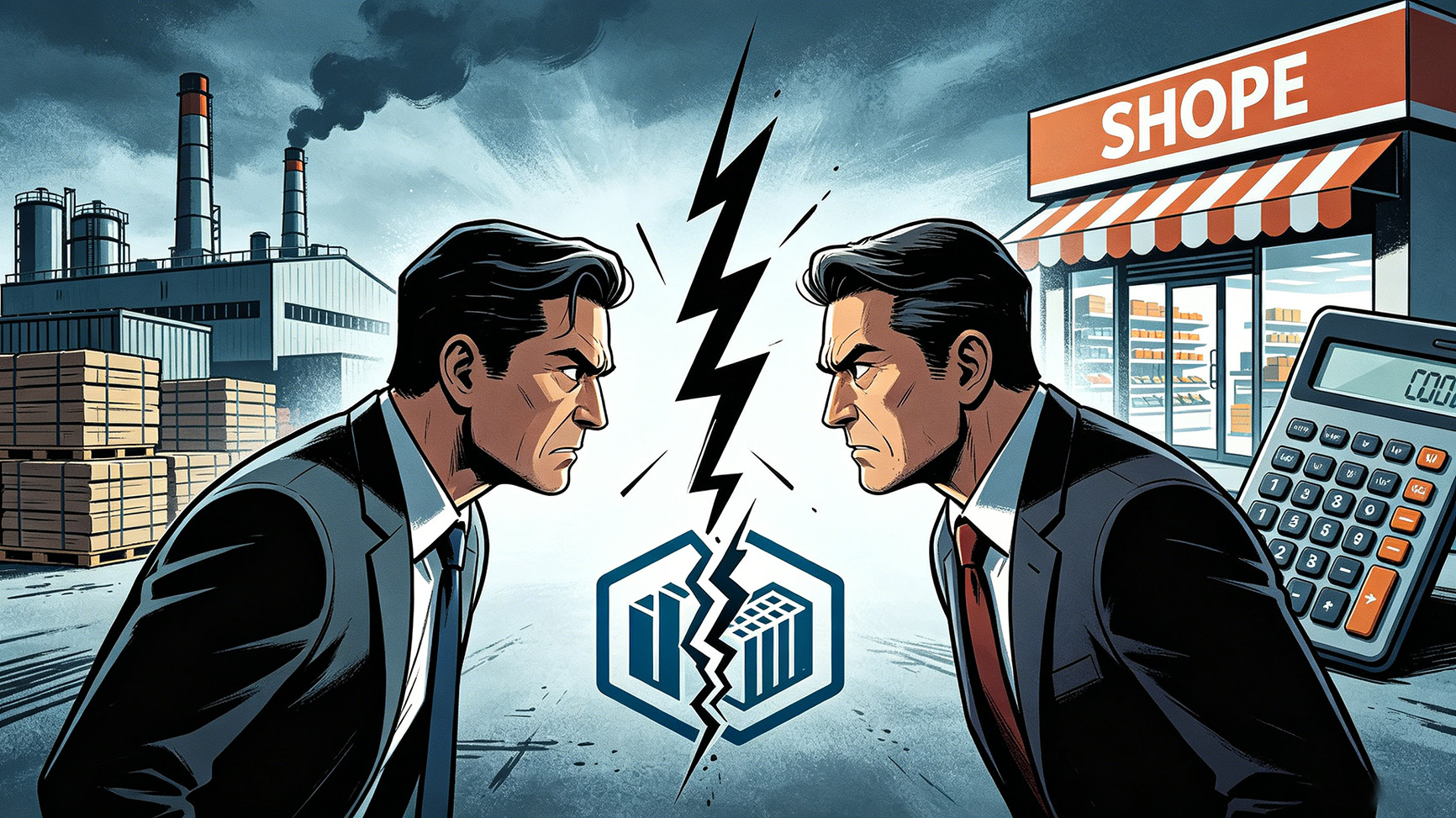
Manufacturers and distributors form the core link of building material supply chain. Though interdependent in cooperation, they hold conflicting core benefits that lead to long-term interest conflicts, which reshape product pricing rules, market circulation logic and profit ecosystem of landscape stone and construction aggregate industry.

1. Core Roots of Conflicts: Inherent Divergence in Business Goals
All channel disputes and price turbulence originate from mismatched development demands between two parties, which gets amplified sharply amid oversupply and sluggish market.
1.1 Manufacturers prioritize production volume and risk transfer
Production lines of stone and aggregate factories bear fixed costs on equipment, labor and site rent and cannot suspend operation arbitrarily. Their top target is to consume full capacity, finish annual sales targets and expand market share to cut average production cost.
To boost shipment quantity, manufacturers usually push distributors to place bulk stocking orders, launch tiered rebate policies and develop new regional agents continuously. Meanwhile, most market risks including inventory backlog and price fluctuation are transferred down to distributors for stable factory revenue.
1.2 Distributors focus on profit maintenance and cash flow security
Without fixed production cost pressure, distributors concentrate on stable gross profit and capital safety. Under continuous price decline and weak terminal demand, overstock equals capital loss and inventory depreciation. Hence most dealers refuse bulk prepayment and large stock orders, preferring small-batch quick turnover. Besides, they require manufacturers to unify selling price, ban cross-region goods transshipment and protect exclusive regional sales rights to safeguard profit space.
Simply put: manufacturers aim for large-scale sales growth while distributors pursue sustainable profit and risk control, laying the fundamental groundwork for long-term market game.
2. Typical Forms of Manufacturer-Distributor Game in Construction Material Industry
Conflicts penetrate inventory management, pricing strategy, channel layout and incentive policy under current stock-based market.
2.1 Stocking tug-of-war: factories push bulk orders while dealers resist overstock
To digest redundant capacity, manufacturers urge dealers to prepay and stock up massively; knowing weak downstream consumption, distributors delay payment and adopt sporadic procurement to avoid trapped capital, resulting in irregular supply and excess floating goods in market.
2.2 Pricing conflict: disordered factory pricing triggers terminal price war
Factories offer discounted deals for new buyers and big clients to grab market share, which breaks unified price system. After profit shrinkage, distributors cut selling price crazily to clear inventory and retain clients, driving overall market price down continuously.
2.3 Channel competition: factory expands agents vs dealer guards exclusive territory
Manufacturers keep recruiting new local distributors to lift market coverage and stimulate existing partners to increase sales. On the contrary, existing dealers intend to monopolize local market and block parallel import from other regions, triggering frequent cross-border goods conflict.
2.4 Rebate game: high-threshold bonus leads to irrational bulk purchase
Factories set high sales targets for quarterly and yearly rebates. Many distributors pile up excessive goods just for rebate reward, yet most extra profit from bonus is offset by subsequent stock depreciation.
2.5 Risk allocation imbalance: dealers bear nearly all market losses
Price drop risk, unsold inventory loss and bad debt pressure are mostly undertaken by downstream distributors, while manufacturers secure fixed income regardless of market volatility, further worsening bilateral contradictions.
3. Far-reaching Impacts of Interest Game on Construction Material Market
The ongoing game becomes a man-made driver of falling stone and aggregate prices and worsening industrial competition.
3.1 Surplus circulating goods push persistent price downtrend
Forced stocking leads to massive inventory held by distributors. Once capital pressure rises, dealers dump stocks at low prices for quick fund withdrawal. Discount spread across adjacent areas quickly, dragging down market quotations of cobblestone, garden stone and construction sand step by step with no price rebound support.
3.2 Collapsed pricing system normalizes vicious industrial competition
Unregulated factory preferential policies and random price adjustment eliminate traditional profit margin of middlemen. Small and medium-sized merchants have to join price competition passively, forming a vicious cycle of falling price → thinner profit → deeper price cut.
3.3 Shrinking profit squeezes survival space of small & medium distributors
General specification cobblestone and ordinary construction aggregate turn into low-margin bulk goods. Small dealers with limited capital are vulnerable to inventory devaluation and market fluctuation and get phased out gradually.
3.4 Damaged channel trust hinders standardized industrial development
Excessive profit exploitation from factories makes distributors cut promotion investment or switch to rival manufacturers, shrinking sales channels and restricting long-term standardized development of the whole industry.
3.5 Accelerated industrial transformation toward differentiated & export-oriented business
Homogeneous low-price competition fails to create profit anymore. More operators shift to premium graded landscape stone, customized decorative cobblestone and legal raw stone export (raw cobblestone over 5mm is permitted for outbound shipment under China customs regulation) to bypass fierce domestic price war.
4. Market Pattern Shift & Win-Win Solutions in 2026
During past booming real estate and infrastructure era with rising demand, manufacturers dominated the whole supply chain and distributors had to accept stocking and pricing rules passively. Currently with overcapacity and abundant raw material supply, the market switches into dealer-dominant pattern, as distributors own stable terminal client resources and can switch cooperating suppliers freely.
To realize long-term development, both sides need to abandon zero-sum game and build win-win cooperation.
Manufacturers shall stabilize ex-factory price, restrict unauthorized cross-region delivery, optimize rebate rules and reduce unreasonable stocking pressure for downstream partners; distributors need to get rid of malicious low-price sales, develop high-value differentiated stone products, optimize cash flow management and expand overseas legal export business of qualified cobblestone raw material.
Conclusion
Falling prices and cutthroat competition in building material market result not only from shrinking market demand but also from unbalanced interest game between upstream factories and downstream distributors. Misaligned target, unfair risk distribution and chaotic pricing mechanism jointly shape the current tough market environment.
In future construction material market, enterprises focusing on reasonable manufacturer-distributor cooperation, differentiated product development, standardized domestic sales and compliant overseas export will stand out from homogeneous competition and gain sustainable profit in landscape cobblestone and construction aggregate trade.