
Washed Aggregate vs. Resin Bound Pebbles: Full Comparison on Material, Performance & Applications
Washed Aggregate vs. Resin Bound Pebbles: Full Comparison on Material, Performance & Applications
Washed aggregate and resin bound pebbles are two popular paving materials using natural stone aggregates for modern landscape projects. Although they look similar, they differ greatly in bonding materials, construction techniques and practical performance. Selecting the right material according to project budget, site conditions and design requirements helps achieve better landscape effects and reduce long-term maintenance costs.
1. Differences in Basic Materials & Construction
Washed Aggregate
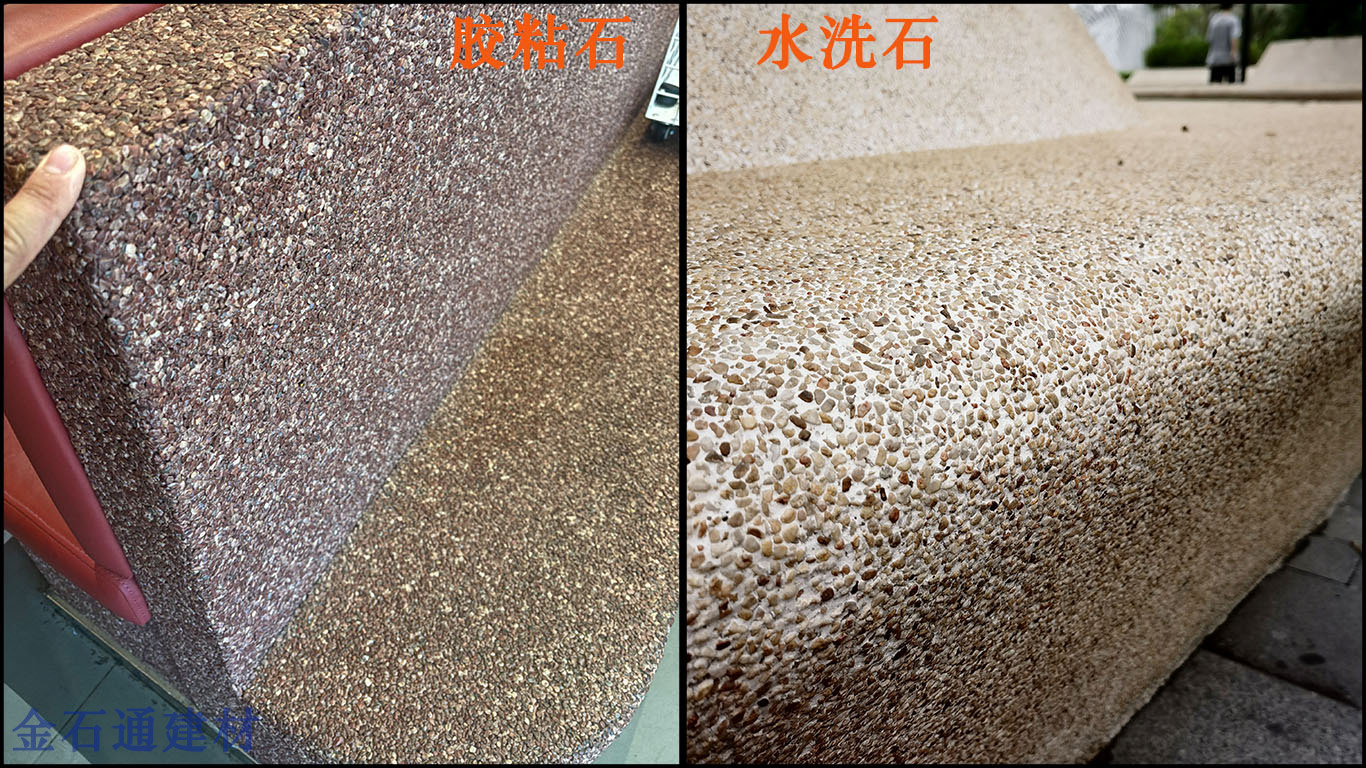
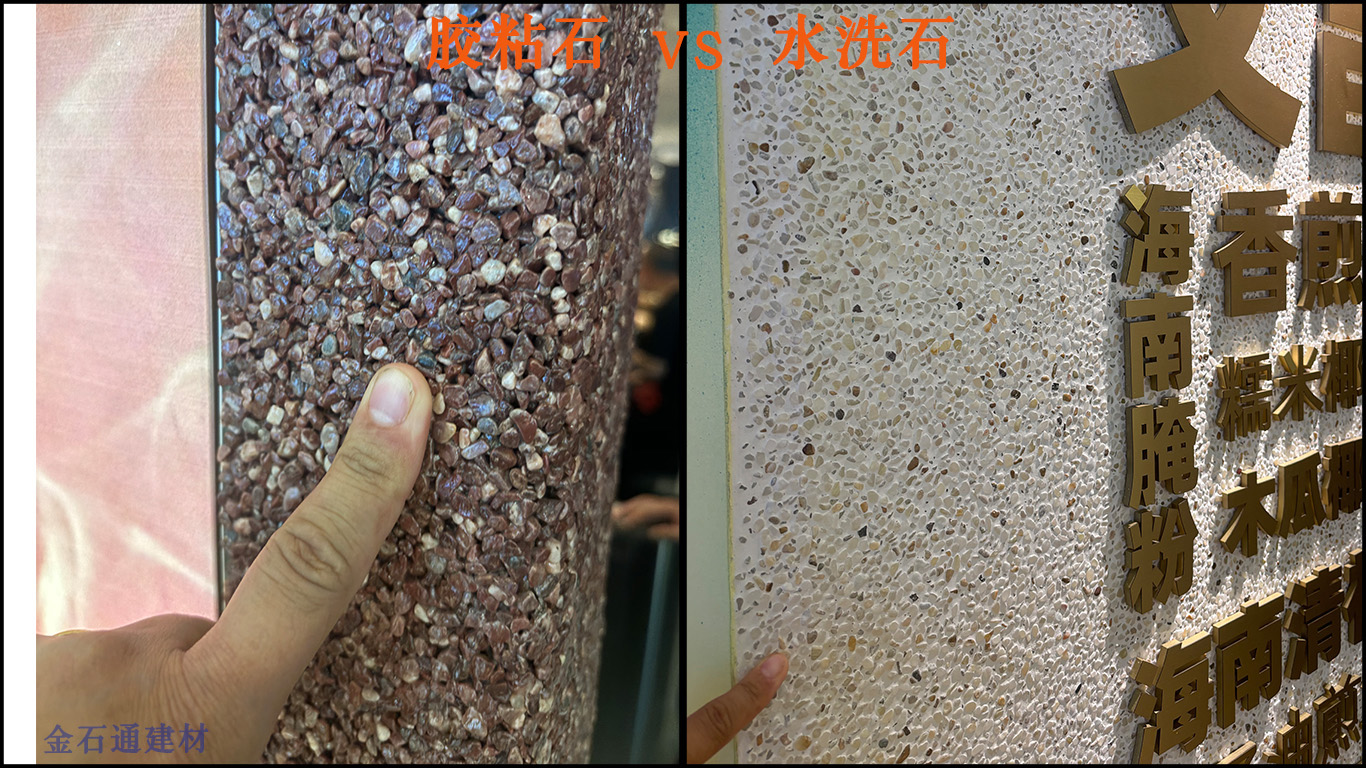
Washed aggregate uses cement as the inorganic binder, mixed with natural gravel and pebbles. After paving and initial setting, the surface cement slurry is rinsed off manually or by machine to expose the stone surface.
It features a dense structure with gaps fully filled by cement. As a traditional cement-based decorative paving material, it has been widely applied in outdoor landscapes for many years.
Resin Bound Pebbles
Resin bound pebbles adopt modified transparent resin as the organic binder. Clean coloured natural stones are blended evenly with resin and paved directly. The stones are bonded by resin while natural gaps are retained between aggregates. No rinsing process is required, and the surface is ready for use once fully cured.
The reserved gaps enable excellent water permeability, making it an eco-friendly organic paving material.
2. Comparison of Core Performance
Water Permeability
The internal pores of washed aggregate are sealed by cement, so it has nearly no water permeability. Rainwater drains away mainly relying on ground slopes. Resin bound pebbles keep complete gaps between stones and deliver outstanding water drainage performance, which meets the standards for sponge city construction and removes surface ponding rapidly.
Visual Appearance
Washed aggregate presents a simple and solid look with cement base tone and relatively restrained colour. With transparent resin wrapping the stones, resin bound pebbles show vivid and original stone colours, delivering a more delicate visual effect.
Weather Resistance & Service Life
Washed aggregate boasts strong resistance to UV rays, high temperature and freeze-thaw cycles. It hardly deteriorates under long-term outdoor exposure and extreme temperature changes, enjoying a long service life and suitable for most harsh climates worldwide.
Conventional resin bound materials tend to turn yellow and degrade under prolonged strong sunlight. Only products made of high weather-resistant resin can extend the service life. Overall, its resistance to extreme environments is inferior to washed aggregate.
Daily Maintenance
The surface of washed aggregate is prone to dirt accumulation. Efflorescence and moss may grow in humid areas, requiring regular cleaning. Resin bound pebbles have a compact surface that resists dirt adhesion and efflorescence, making daily maintenance much easier.
Temperature Adaptability
Washed aggregate works stably in both extremely hot and cold regions with a wide temperature adaptation range. Resin materials will slightly soften under continuous high temperature and become more brittle in cold weather, so they are more recommended for areas with mild climates.
3. Construction Features & Cost Difference
Washed aggregate has strict requirements on construction timing. The rinsing work must be completed at the initial setting stage of cement. Improper operation will lead to uneven stone exposure or aggregate falling off, so experienced workers are required.
Resin bound pebbles feature simple procedures. The mixture can be paved directly after blending and cures naturally, which lowers the operation difficulty and improves construction efficiency.
In terms of cost, washed aggregate has lower material and construction expenses with high cost performance. Resin bound pebbles adopt special resin materials, resulting in a much higher overall project cost.
4. Recommended Application Scenarios
Suitable for Washed Aggregate
It is the ideal choice for standard courtyards, garden walkways, pool surroundings and landscape walls with limited budgets. It also performs well in outdoor sites with hot and dry climates, large temperature differences, as well as large-scale outdoor projects that prioritize durability and long-term stability.
Suitable for Resin Bound Pebbles
It is widely used in municipal permeable walkways, eco plazas, dry stream landscapes and high-end commercial landscapes where rapid drainage is needed. It is also a good option for indoor and outdoor landscapes focusing on colour presentation and exquisite appearance, as well as humid rainy areas with strict requirements on ground drainage.
5. Conclusion
Washed aggregate stands out for its high cost performance, superior weather resistance and long durability, focusing on practicality. Resin bound pebbles excel at strong water permeability, delicate appearance and convenient construction, targeting ecological and decorative effects.
In practical projects, make a reasonable selection based on local climate, project budget and design style to maximize the advantages of both materials.